Learn how to grow black beans in your garden. This guide covers soil preparation, watering schedules, and when and how to harvest for the best yield.

I’ll never forget the satisfaction of harvesting my first batch of homegrown black beans. The shiny, jet-black seeds spilling from their pods represented a full season of care, from planting tiny seeds to pulling up the entire plant at just the right time. Growing dry beans is a lesson in patience, but the reward of a pantry staple you cultivated yourself is incredibly fulfilling.
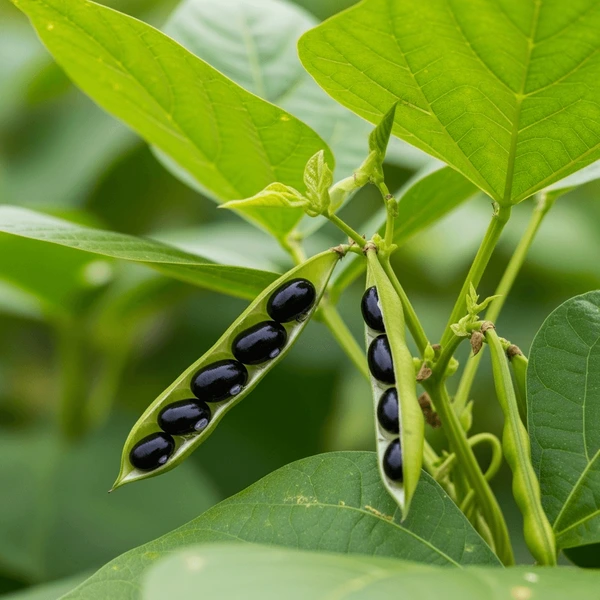
Black beans (Phaseolus vulgaris) are a warm-season annual legume, meaning they complete their life cycle in one growing season and can fix their own nitrogen in the soil. They are typically grown as a “dry bean,” left to mature fully on the plant before harvest.
Why Grow Your Own Black Beans?
You should grow black beans because they are a nutritious, protein-packed crop that stores for months. They’re a great plant for improving your garden soil by adding nitrogen. The bushy plants are generally low-maintenance and productive in a small space. There’s also a deep satisfaction that comes from being more self-sufficient and eating what you’ve grown from seed to table.
Black Bean Plant at a Glance
| Feature | Description |
|---|---|
| Plant Type | Warm-season annual |
| Mature Size | Bush types: 15-20″ tall; Pole types: 6-8 ft vines |
| Sun Exposure | Full sun (at least 6-8 hours daily) |
| Soil Type | Well-draining, loamy soil |
| Time to Harvest | 85-100 days (for dry beans) |
| Hardiness Zones | Grown as an annual in all zones |
Soil: The Foundation for Healthy Beans
Getting the soil right is the first step to a successful harvest. Black beans thrive in well-draining, loamy soil with a neutral to slightly acidic pH between 6.0 and 7.0.
- Preparation: Before planting, work 2-3 inches of compost or well-rotted manure into the top 6 inches of soil. This improves fertility and soil structure.
- Nitrogen Note: As legumes, black beans work with soil bacteria to fix nitrogen from the air. Avoid high-nitrogen fertilizers, which can lead to lush leafy growth at the expense of bean production.
- Drainage is Key: Beans will not tolerate soggy, waterlogged soil, which causes seeds and roots to rot. If you have heavy clay soil, plant in raised beds or mounds to improve drainage.
Watering: Consistency is Crucial
Proper watering changes throughout the life cycle of your bean plants.
- Germination and Seedlings: Keep the soil consistently moist (but not soggy) to help seeds sprout and young plants establish. Water gently to avoid displacing seeds.
- Established Plants: Once established, water deeply when the top 1-2 inches of soil is dry. Aim for about 1 inch of water per week. Deep, infrequent watering encourages strong root development.
- Flowering and Pod Set: This is a critical time. Do not let the soil dry out completely, as water stress can cause blossoms and young pods to drop. Maintain consistent moisture.
- Maturing and Drying Down: As pods swell and begin to dry out on the plant, you can gradually reduce watering. Stop watering entirely once most pods have turned yellow and begun to dry; this helps the pods finish maturing for harvest.
The Harvest: Knowing When and How
Harvesting black beans for dry storage is different than harvesting green beans for fresh eating.
- The Signs: The plants will tell you when they’re ready. The leaves will turn yellow and then brown, and the plump green pods will become thin, dry, leathery, and tan or brown in color. You should be able to feel the hard beans rattling inside the pod.
- The Method: You have two options. You can pick individual dry pods as they mature, or you can pull up the entire plant once about 80-90% of the pods are dry.
- Threshing and Winnowing:
- If you pulled the whole plant, hang it upside down in a warm, dry, well-ventilated place (like a garage or shed) for 1-2 weeks to finish drying.
- Place the dry pods in a pillowcase or old sack and tread on it or beat it against a hard surface to break the pods open and release the beans (this is called threshing).
- Pour the beans and pod debris from one bucket to another in front of a fan. The light chaff (winnowing) will blow away, leaving the heavy, clean beans behind.
- Curing and Storage: Before storing, let your shelled beans “cure” for another two weeks in a well-ventilated area to ensure they are completely dry and hard. Store them in an airtight container in a cool, dark place.
A Quick Guide to the Harvest Process
| Stage | What to Look For | Action |
|---|---|---|
| Ready to Harvest | Pods are thin, dry, and brown; beans rattle inside. | Pull entire plants or pick individual pods. |
| Drying | Plants/pods are pulled but beans are not fully hard. | Hang plants or spread pods in a dry, airy location for 1-2 weeks. |
| Threshing | Pods are brittle and crumble easily. | Break open pods by beating or treading to release the beans. |
| Winnowing | Beans are mixed with lightweight pod chaff. | Pour beans between containers in a breeze to separate beans from chaff. |
| Storage | Beans are so hard you cannot dent them with a fingernail. | Store in airtight jars or containers in a cool, dark pantry. |
A Final Tip for Success
The key to growing great black beans is patience. Unlike vegetables you eat fresh, the reward comes at the very end of a long growing season. Don’t be tempted to harvest early; those hard, dry beans are the sign of a successful crop. For more information on soil health for vegetable gardens, see our guide to garden soil preparation.
Have you ever grown dry beans before? What was your experience? Share your stories and tips in the comments below