Learn how to grow spinach in containers for a continuous harvest. This guide covers varieties, soil, planting, and care for successful container spinach gardening.

I’ll never forget the first time I harvested spinach from my apartment balcony. In just six weeks, I went from sowing tiny seeds to harvesting vibrant green leaves for my morning omelet. That success showed me that you don’t need a big backyard to grow nutritious greens—just a container, some soil, and a sunny spot.
Spinach is an ideal crop for container gardening because it has shallow roots, grows quickly, and can even handle some shade. With the right approach, you can enjoy multiple harvests of fresh spinach from just a few pots.
Why Grow Spinach in Containers?
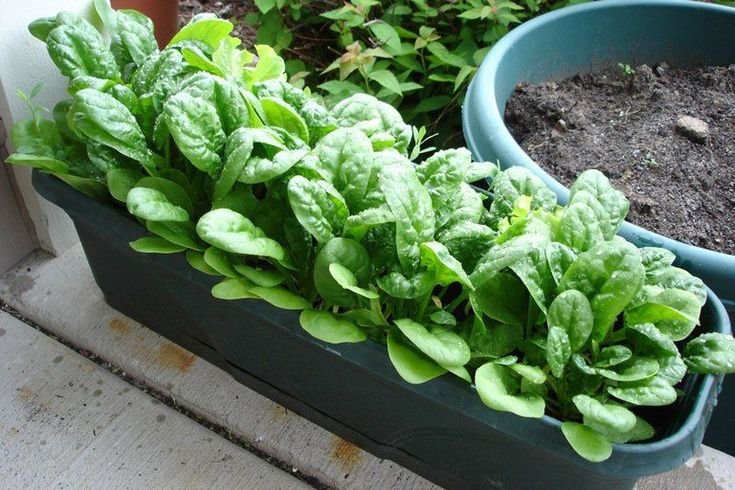
You should grow spinach in containers because it’s perfect for small spaces like balconies, patios, and windowsills. Container growing gives you control over soil quality and drainage. It’s easier to protect from pests like slugs and rabbits. You can extend the season by moving containers to optimal locations. Plus, you’ll have fresh, pesticide-free greens right outside your door.
Container Spinach at a Glance
| Aspect | Requirement |
|---|---|
| Container Depth | 6-8 inches minimum |
| Container Width | 12+ inches (wider is better) |
| Soil Type | Well-draining potting mix |
| Sun Exposure | 4-6 hours of sun (partial shade OK) |
| Time to Harvest | 35-50 days |
| Season | Spring and fall (cool weather) |
Getting Started with Container Spinach
Follow these steps to ensure your container spinach gets off to a strong start.
Choosing the Right Container
Select a container that’s at least 6-8 inches deep and 12 inches wide. Spinach has shallow roots, but wider containers allow you to grow more plants. Ensure your container has adequate drainage holes to prevent waterlogged soil. Fabric grow bags, plastic pots, and wooden planters all work well.
Selecting Spinach Varieties
Choose varieties suited for container growing and your climate. ‘Space’ and ‘Tyee’ are bolt-resistant, meaning they’re less likely to flower and go to seed in warm weather. ‘Baby’s Leaf Hybrid’ is perfect for continuous harvesting of tender leaves. ‘Bloomsdale Long Standing’ has savoyed (crinkly) leaves that are great for cooking.
Soil Preparation
Use a high-quality potting mix, not garden soil. Potting mix provides the proper drainage and aeration container plants need. Mix in some compost or a slow-release organic fertilizer to provide nutrients for your growing plants.
Planting and Care Guide
Proper planting and consistent care will give you the best harvest.
Planting Seeds
Sow seeds ½ inch deep and 2-3 inches apart. You can plant closer and thin later. Water gently but thoroughly after planting. Keep the soil consistently moist until seeds germinate, usually in 5-14 days. For a continuous harvest, plant new seeds every two weeks.
Watering
Container spinach needs consistent moisture. Water when the top inch of soil feels dry. In warm weather, this might mean daily watering. Avoid wetting the leaves to prevent fungal diseases. Water in the morning so leaves dry before evening.
Fertilizing
Spinach is a heavy feeder. Feed every 2-3 weeks with a balanced liquid fertilizer or fish emulsion. Since frequent watering leaches nutrients from containers, regular feeding is essential for healthy growth.
Temperature Management
Spinach prefers temperatures between 50-70°F. It will bolt (flower and go to seed) in hot weather. Move containers to afternoon shade during warm spells. In summer heat, spinach may not be worth growing—switch to heat-tolerant greens like Swiss chard.
Harvesting Your Spinach
You can start harvesting in about 35 days. For the “cut and come again” method, snip outer leaves 2 inches above the soil, allowing the center to continue growing. Alternatively, harvest the whole plant at once by cutting at soil level. Regular harvesting encourages new leaf production.
Common Problems and Solutions
Watch for these issues and address them quickly.
- Bolting: Caused by heat and long days. Grow bolt-resistant varieties and provide afternoon shade.
- Leaf Miners: Tiny insects that tunnel inside leaves. Remove affected leaves and use row covers.
- Downy Mildew: Fungal disease that causes yellow spots. Improve air circulation and avoid overhead watering.
- Aphids: Small green insects on leaf undersides. Spray with water or use insecticidal soap.
Succession Planting for Continuous Harvest
For a steady supply of spinach, practice succession planting. Sow new seeds every 2-3 weeks. This ensures that as you finish harvesting one container, another is coming to maturity. In spring, start 2-3 weeks before your last frost date. In fall, start 6-8 weeks before your first frost date.
A Final Tip for Success
The secret to great container spinach is consistent moisture and regular harvesting. Don’t let plants dry out, and pick leaves frequently to encourage new growth. For more ideas on growing food in small spaces, check out our guide to container vegetable gardening.
What’s your favorite way to use fresh-picked spinach? I’d love to hear your recipes and gardening experiences in the comments below!