
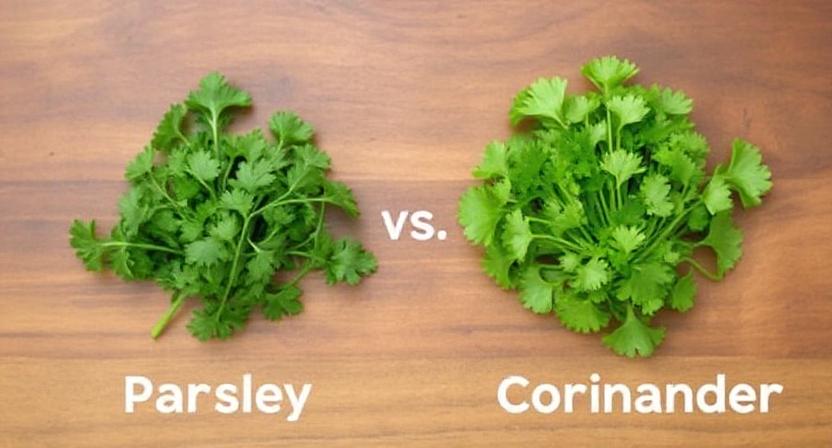
Compare parsley vs. coriander for your garden with care tips from Ashley Scott, a 10-year gardening pro. Find the best herb for USA gardens!

Hey there, herb enthusiasts! I’m Ashley Scott, a gardening pro with 10 years of experience growing herbs in my USA backyard. If you’re debating between parsley and coriander (also called cilantro), you’re in good company—both are kitchen staples with vibrant flavors, but they differ in looks, taste, growing needs, and uses. Parsley offers mild, grassy notes and lush greenery, while coriander brings a bold, citrusy zing, with its seeds and leaves serving different culinary roles. Both thrive in USDA Zones 3 to 9, making them perfect for USA gardens. Below, I’ll compare parsley vs. coriander on key factors like appearance, flavor, care, and more, with growing tips, my personal stories, and ties to projects like DIY compost bins and pollinator-friendly plants at USA Garden Hub. Let’s dig into these leafy greens to find your perfect herb!
Parsley vs. Coriander: Key Differences at a Glance
Here’s a quick overview to set the stage, followed by a detailed comparison.
FeatureParsleyCoriander (Cilantro)**Botanical NamePetroselinum crispumCoriandrum sativumPlant TypeBiennial (grown as annual) herbAnnual herbHeight/Spread1-2 feet tall, 1-2 feet wide1-2 feet tall, 1-1.5 feet wideLeaf AppearanceFlat or curly, bright green, lobedDelicate, rounded, feathery, light greenFlavorMild, grassy, slightly pepperyCitrusy, tangy (leaves); warm, spicy (seeds)Bloom TimeSecond year, white umbelsSummer, white/pink umbelsUsesGarnish, salads, soups, saucesLeaves for salsas, curries; seeds for spices, picklingUSDA Zones3-9 (biennial)3-9 (annual)Sun NeedsFull sun to partial shadeFull sun to partial shadeSoilWell-drained, rich, loamy (pH 6.0-7.0)Well-drained, light, sandy (pH 6.2-6.8)Water NeedsModerate, keep soil moistModerate, avoid overwateringMaintenance**Low, regular harvestingLow, harvest before bolting
Detailed Comparison: Parsley vs. Coriander
1. Appearance
- Parsley: Parsley has bright green, lobed leaves that come in two types: flat-leaf (Italian) with broad, serrated leaves, or curly-leaf with ruffled, dense foliage. It grows in a bushy clump, perfect for borders or containers. In its second year, it produces white umbel flowers. I love its lush look next to my Dalmatian Bellflower.
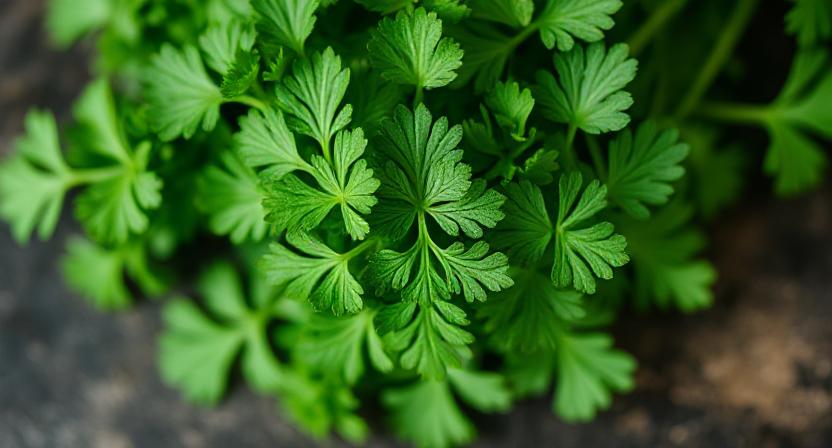
- Coriander: Coriander (cilantro for leaves, coriander for seeds) has delicate, light green, rounded, feathery leaves that resemble flat-leaf parsley but are thinner and lacier. It bolts in summer, producing white or pink umbels and round seeds. Its airy vibe fits my spooky plants border.
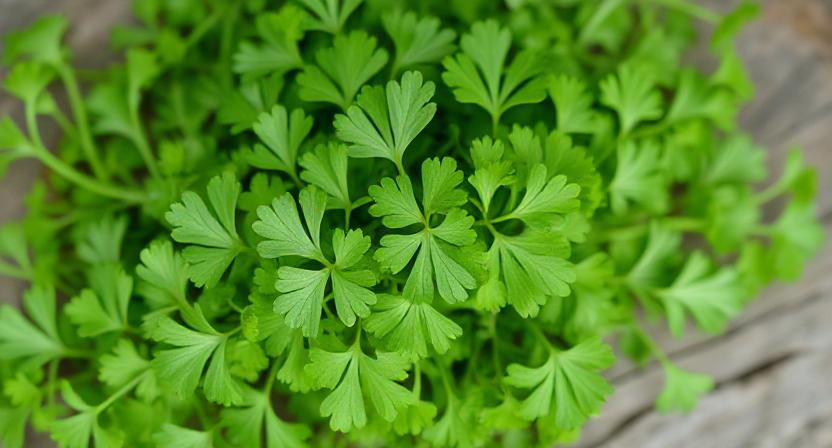
- My Story: My parsley stays tidy in pots, while coriander’s wispy leaves add a wild touch to my herb bed. Parsley’s denser foliage wins for aesthetics.
2. Flavor and Culinary Uses
- Parsley: Mild, grassy, and slightly peppery, parsley is a versatile garnish for soups, salads, and sauces like chimichurri. Flat-leaf has a stronger flavor, curly is decorative. I chop it for pasta, like my carrot top pesto.
- Coriander: Cilantro leaves are bold, citrusy, and polarizing (some taste soap due to genetics). Seeds (coriander) are warm, spicy, and nutty, used in curries, pickling, or baking. I toss cilantro in salsas and grind seeds for spice blends.
- My Tip: Parsley’s subtle flavor suits most dishes, but coriander shines in Mexican or Indian recipes. Try both in a mixed herb garden!
3. Growing Conditions
- Light: Both thrive in full sun (6 hours daily) to partial shade (4 hours). Parsley tolerates shade better, while coriander bolts faster in heat without shade.
- Soil: Parsley prefers rich, loamy soil (pH 6.0 to 7.0), coriander likes lighter, sandy soil (pH 6.2 to 6.8). Both need well-drained soil. I enrich with compost from my DIY compost bin.
- Water: Keep soil consistently moist for both (1 inch weekly). Parsley needs slightly more water, coriander hates soggy roots. Overwatering my coriander once caused it to wilt!
- Temperature: Both grow best at 50 to 75°F, hardy in Zones 3 to 9. Parsley survives light frost as a biennial, coriander bolts in heat as an annual.
- My Tip: Plant coriander in spring or fall to avoid bolting, parsley can handle summer with shade.
4. Care and Maintenance
- Parsley: Low maintenance. Harvest outer leaves to encourage growth, pinch off flower buds in year one to prolong leaf production. Apply fertilizer (5-10-10) monthly. Watch for aphids, treat with soapy water.
- Coriander: Low maintenance, but bolts quickly in heat. Harvest leaves early (4 to 6 weeks), collect seeds after flowering. Minimal fertilizer, compost works. Rarely faces pests, but whiteflies can appear, use my neem oil guide.
- My Story: My parsley keeps producing with regular cuts, but coriander bolted fast in July, so I saved seeds for replanting.
5. Pests and Problems
- Parsley: Prone to aphids and carrot flies if near carrots. Use row covers or plant with marigolds for protection. My parsley had aphids once, fixed with a soapy spray.
- Coriander: Generally pest-resistant due to its strong scent, but root rot from overwatering is a risk. I lost a patch to soggy soil, now I ensure better drainage.
- Fun Fact: Both deter some pests when paired with oregano in a companion planting setup.
6. Propagation
- Parsley: Grow from seeds sown ¼ inch deep in spring, slow to germinate (2 to 4 weeks). Soak seeds overnight for faster sprouting. Rarely propagated by cuttings.
- Coriander: Sow seeds ¼ inch deep every 2 to 3 weeks for continuous harvest. Self-seeds if flowers are left. I collect coriander seeds for replanting or cooking.
- My Tip: Start both in containers for easy control, like my succulent propagation.
Which Should You Choose?
- Choose Parsley If: You want a mild, versatile herb for garnishes and year-round greenery in Zones 3 to 9. Great for beginners, urban gardens, or pairing with carrots.
- Choose Coriander If: You love bold flavors for salsas, curries, or seed spices, and don’t mind replanting annually. Ideal for warm climates and adventurous cooks.
- My Story: My parsley is a reliable pot staple for soups, but coriander’s zesty leaves spice up my tacos. I grow both for variety!
Care Tips for Success
- Planting: Sow parsley seeds in spring, coriander every few weeks for steady supply. Space 6 to 12 inches apart in well-drained soil.
- Soil Prep: Enrich with compost from my DIY compost bin for nutrient-rich beds.
- Watering: Keep soil moist but not waterlogged, about 1 inch weekly. Use pots with drainage holes.
- Harvesting: Cut parsley’s outer leaves, coriander’s young leaves or seeds. Regular harvests extend growth.
- Pollinators: Both attract bees when flowering, boosting crops like cucumbers.
Wrapping Up
Parsley and coriander bring fresh flavors and greenery to USA gardens, with parsley offering mild versatility and coriander delivering bold, citrusy punches. My parsley pots are a constant, while coriander keeps my dishes lively. Whether you’ve got a big yard or a balcony, these herbs are easy and rewarding. Which will you grow? Share your herb tips in the comments on USA Garden Hub!